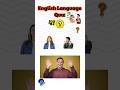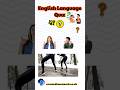



Complete the text with “to be; my, his/her and their. Write about the people who are speaking.
This worksheet is about practicing the possessive adjective and the subject pronouns. Students read and write. The worksheet has an answer key.
Download this English worksheet about possessive adjectives.
Possessive Adjectives in English:
In English, there are seven possessive adjectives: my, your, his, her, its, our, and their. These adjectives are used to show possession or ownership of nouns. They agree in number and gender with the noun they modify.
Here’s a breakdown of each possessive adjective along with its usage:
My: Indicates possession by the speaker (first person singular).
- Example: This is my book. (The book belongs to me.)
Your: Indicates possession by the person or people being spoken to (second person singular or plural).
- Example: Is this your pencil? (The pencil belongs to you.)
His: Indicates possession by a male person or animal (third person singular).
- Example: That is his car. (The car belongs to him.)
Her: Indicates possession by a female person or animal (third person singular).
- Example: I like her dress. (The dress belongs to her.)
Its: Indicates possession by a non-human animal or object (third person singular).
- Example: The dog wagged its tail. (The tail belongs to the dog.)
Our: Indicates possession by the speaker and one or more other people (first person plural).
- Example: This is our house. (The house belongs to us.)
Their: Indicates possession by a group of people or things (third person plural).
- Example: I met their parents. (The parents belong to them.)
Possessive Adjectives Table:
| Person | Singular Possessive Adjective | Plural Possessive Adjective |
|---|---|---|
| First Person | My | Our |
| Second Person | Your | Your |
| Third Person | His/Her/Its | Their |
Usage Tips:
- Possessive adjectives are always followed by a noun.
- They agree in number (singular or plural) and gender (masculine, feminine, or neuter) with the noun they modify.
- If the noun is plural, the possessive adjective is always in the plural form, regardless of whether the noun refers to people or things.
- If the noun is singular and refers to a male person or animal, the possessive adjective is in the masculine form (“his”). If it refers to a female person or animal, the possessive adjective is in the feminine form (“her”).
- The possessive adjective “its” is used to indicate possession by animals or objects and does not have a gender.
Follow me on TikTok:

🎯 Free English tests, quizzes and PDFs
Find your English level
Free exam practice
- IELTS Reading Mock Test: 60 minutes, 40 questions
- IELTS Listening Mock Test: with audio
- IELTS Academic Reading Practice Test
- B2 First (FCE) Reading and Use of English test
- IELTS Band Score Calculator
- IELTS Speaking Cue Card Randomizer
Free TOEFL vocabulary
- TOEFL Vocabulary Flashcards: 300 free words
- TOEFL Vocabulary Quiz: 300 questions with score
- Free PDF: TOEFL Core 300 word list
All free tests
From Dr Henry English
Speaking Practice Pack
Want to speak English, not just study it? 180 real-life conversations, each with a dialogue, phrases to shadow out loud and a practice prompt.
See what is inside Or try the free IELTS Reading test