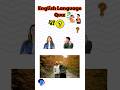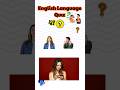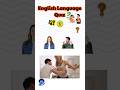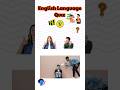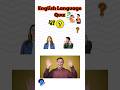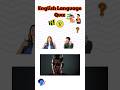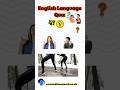


Match a verb in A with a line in B.
This worksheet has an activity about vocabulary of Words that go together. Students read and match. The worksheet has an answer key.
Sharing is caring. Encurage our teachers to create more!
What should our team prepare for you?
In English, some words simply “belong” together. You don’t do a story, you tell one. You don’t carry a suit, you wear it. These natural pairings are known as collocations, and mastering them is the fastest way to move from sounding like a student to sounding like a native speaker.
Based on our latest vocabulary worksheet, let’s look at some essential verb-noun pairings that will help you navigate daily life with confidence.
Why Collocations Matter
Using the correct “word partners” makes your English more fluid. If you use the wrong verb, people will still understand you, but it might sound “heavy” or slightly off. For example, saying “I will post a bill” instead of “I will pay a bill” can lead to confusion!
Common Everyday Pairings
The worksheet highlights several categories of activities, from travel to chores. Here are the highlights:
- Getting Ready & Travel: Before a trip, you pack a suitcase. Once you’re out, you might drive a van or ride a horse. If you need to get home quickly, you take a taxi.
- Business & Errands: At the office or around town, you might make a phone call, post a letter, or cash a cheque at the bank. When it’s time for lunch, you order a meal.
- Home & Leisure: After a long day, you might watch a film on TV. If you’ve been busy in the kitchen, don’t forget to do the washing-up!
Collocation Quick-Reference Table
To help you study, here is a table of the verbs and their natural partners found in the worksheet:
| Verb | Noun Partner | Context / Example |
| Wear | A suit | “He had to wear a suit for the interview.” |
| Tell | A story | “The grandfather loves to tell a story.” |
| Drive | A van | “We hired a professional to drive a van.” |
| Take | A photograph | “Stop! I want to take a photograph of the view.” |
| Do | The washing-up | “I’ll cook if you do the washing-up.” |
| Make | A phone call | “I need to make a phone call to my mother.” |
| Cash | A cheque | “I’m going to the bank to cash a cheque.” |
| Post | A letter | “Is there a mailbox nearby? I need to post a letter.” |
| Ride | A horse | “She learned to ride a horse last summer.” |
| Pack | A suitcase | “It takes me hours to pack a suitcase.” |
| Pay | A bill | “Don’t forget to pay the electric bill.” |
| Order | A meal | “We decided to order a meal from the Italian place.” |
| Watch | A film on TV | “Let’s relax and watch a film on TV.” |
| Take | A taxi | “It’s raining, so let’s take a taxi.” |
Practice Tip
Next time you learn a new verb, don’t just write down the definition. Write down three nouns that usually go with it! This helps your brain create “chunks” of language that are much easier to remember during a real conversation.