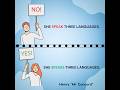



Adjectives Position in
English for Beginners. Use these nouns and adjectives in the following sentences.
This worksheet is about practicing the position of adjectives. Students read and complete the exercises. The worksheet has an answer key.
* Download This English Worksheet: “Adjectives Position in English for Beginners”.
Adjectives Position in English Grammar
As a grammar expert, I’ll delve into the precise positioning of adjectives in English grammar. Understanding where to place adjectives enhances your language proficiency. Let’s explore this topic systematically:
1. Attributive Adjectives (Before Nouns)
When using adjectives before nouns (attributively), the usual order in English is adjective + noun. Here are some examples:
| Adjective | Noun | Example Sentence |
|---|---|---|
| Beautiful | Flower | “What a beautiful flower!” |
| Unsafe | Bridge | “This bridge looks unsafe.” |
| Large | Table | “We need a large, round table for the party.” |
2. Predicative Adjectives (After Linking Verbs)
Predicative adjectives follow linking verbs (such as be, become, seem) and describe the subject. Here are examples:
| Adjective | Linking Verb | Example Sentence |
|---|---|---|
| Beautiful | Looks | “The garden looks beautiful in spring.” |
| Unsafe | Is | “The old bridge is unsafe for crossing.” |
| True | Seems | “Her explanation seems true.” |
3. Specific Adjective Positions
Some adjectives have specific positions:
- Numbers and First/Last: Use first/next + number + adjective + noun.
- “Special offer on the last three remaining sofas.”
- “I don’t have to work for the next four days.”
- Adjectives of Degree: Words like absolute, complete, perfect are used before nouns.
- “That’s an absolute lie.”
- “I did not use your car when you were away.”
- Time and Order Adjectives: Some adjectives (e.g., former, present, future) are used before the noun only.
- “Her former husband had bought the house.”
- “This is a church from the early Romanesque period.”
- Adjectives Limiting Nouns: Words like certain, main, only, particular limit the noun they precede.
- “The only people who know the secret are us.”
- “The main reason for the delay was traffic.”
4. Adjectives After Nouns or Verbs
- Some -ed forms come after nouns:
- “Most of the issues mentioned in the documentary are not very important.”
- Adjectives with the prefix a- are used after linking verbs:
- “The difference in percentages is clear from the illustrations shown.”
Remember these rules, practice consistently, and soon you’ll master adjective positioning! ????????
What topics do you need?
🎯 Free English tests, quizzes and PDFs
Find your English level
Free exam practice
- IELTS Reading Mock Test: 60 minutes, 40 questions
- IELTS Listening Mock Test: with audio
- IELTS Academic Reading Practice Test
- B2 First (FCE) Reading and Use of English test
- IELTS Band Score Calculator
- IELTS Speaking Cue Card Randomizer
Free TOEFL vocabulary
- TOEFL Vocabulary Flashcards: 300 free words
- TOEFL Vocabulary Quiz: 300 questions with score
- Free PDF: TOEFL Core 300 word list
All free tests
From Dr Henry English
Speaking Practice Pack
Want to speak English, not just study it? 180 real-life conversations, each with a dialogue, phrases to shadow out loud and a practice prompt.
See what is inside Or try the free IELTS Reading test