



| Affirmative | Interrogative |
| I work you work he works she works it works we work you work they work | Do I work? Do you work? Does he work? Does she work? Does it work? Do we work? Do you work? Do they work? |
| Negative | Negative |
| Long-form I do not work you do not work he does not work she does not work it does not work we do not work you do not work they do not work | Short-form I don’t work you don’t work he doesn’t work she doesn’t work it doesn’t work we don’t work you don’t work they don’t work |
- We form the present simple with the subject (noun or personal pronoun) and the verb.
- The third person singular takes -s or -es in the affirmative.
Negative
We use subject + don’t + main verb in all persons in the negative except the third person singular. We use subject + doesn’t + main verb in this person.
I don’t play, he doesn’t play.
Interrogative
- We use do + subject + verb in all persons except for the third person singular. We use does + subject + verb in this person.
Do you like football? Does he like tennis?
Spelling: 3rd person singular affirmative
- Most verbs take -s in the third person singular.
I work – he works
- Verbs ending in -ss, -sh, -ch, -x or -o take -es.
I go – he goes
- Verbs ending in a consonant + y drop -y and take –ies.
I fly – he flies
- Verbs ending in a vowel + y take -s. I play – he plays
-s or -es in the third person singular is pronounced:
- /s/ with verbs ending in /f/, /k/, /p/ or M sounds. he sits
- /ız/ with verbs ending in /s/, /ʃ/, /tʃ/, /dʒ/ or /z/ sounds. he watches
- /z/ with verbs ending in all other sounds. he plays
We use the present simple for:
- daily routines, repeated actions or habits
I get up at seven every day.
- permanent states
I live in London.
Time Expressions
Time expressions used with the present simple: every hour/ day/week/month /summer/year etc, usually, always, every morning/evening/afternoon/night, in the morning/afternoon/evening/night, at night etc.
| Do you…? | Yes, I do./Yes, we do. No, I don’t./No, we don’t. |
| Does he/she/it…? | Yes, he/she/it does. No, he/she/it doesn’t. |
| Do they …? | Yes, they do. No, they don’t. |
In short answers we use “Yes” or “No” the subject pronoun and do/don’t or does/doesn’t.
Download “Simple Present Tense Explanation with Examples” in PDF.
Download “Simple Present Tense Explanation with Examples Quiz” in PDF.
“Thank you for taking the time to explore this topic with us! We hope you found the information helpful and insightful. Have any thoughts, questions, or additional examples to share? We’d love to hear from you in the comments below!
Don’t forget to spread the word by sharing this blog with your friends, family, and colleagues. Together, let’s continue to learn, grow, and connect with the world around us. Happy reading and sharing!”
Follow me on TikTok:
Subscribe To my YouTube Channel:
🎯 Free English tests, quizzes and PDFs
Find your English level
Free exam practice
- IELTS Reading Mock Test: 60 minutes, 40 questions
- IELTS Listening Mock Test: with audio
- IELTS Academic Reading Practice Test
- B2 First (FCE) Reading and Use of English test
- IELTS Band Score Calculator
- IELTS Speaking Cue Card Randomizer
Free TOEFL vocabulary
- TOEFL Vocabulary Flashcards: 300 free words
- TOEFL Vocabulary Quiz: 300 questions with score
- Free PDF: TOEFL Core 300 word list
All free tests
From Dr Henry English
Speaking Practice Pack
Want to speak English, not just study it? 180 real-life conversations, each with a dialogue, phrases to shadow out loud and a practice prompt.
See what is inside Or try the free IELTS Reading test










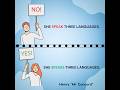







 and the verb. We use the present simple for daily routines, repeated actions or habits and permanent states.)